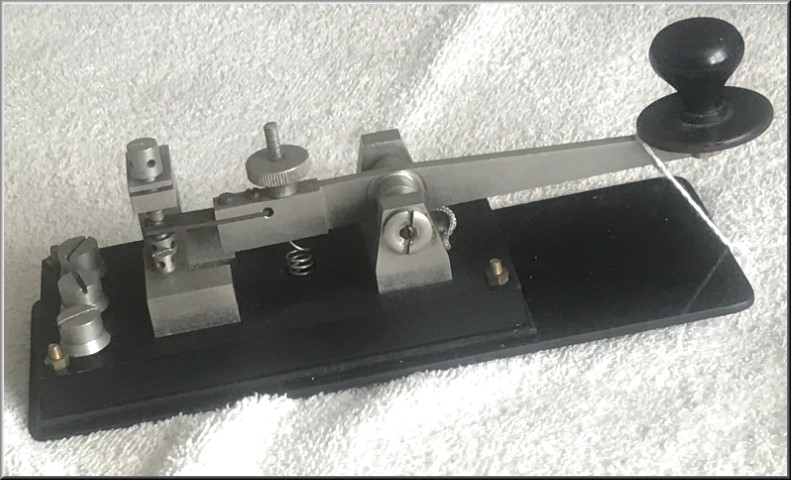
Marconi Coastal Station Keys. The Finest Straight Keys In The World ! Plus a Portishead Radio "GKA" key, and a Portpatrick Radio "GPK" key with Rare Cover.
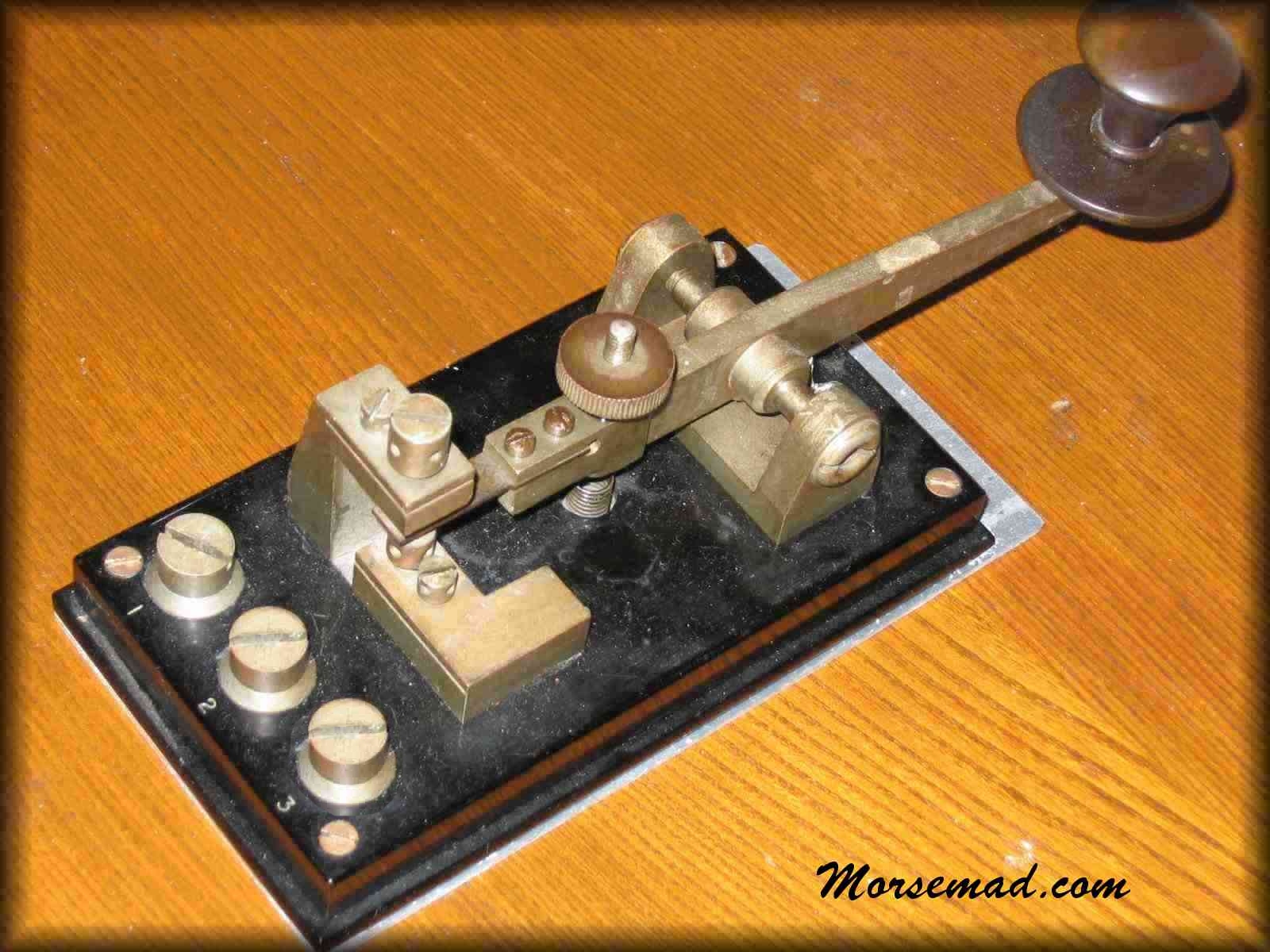
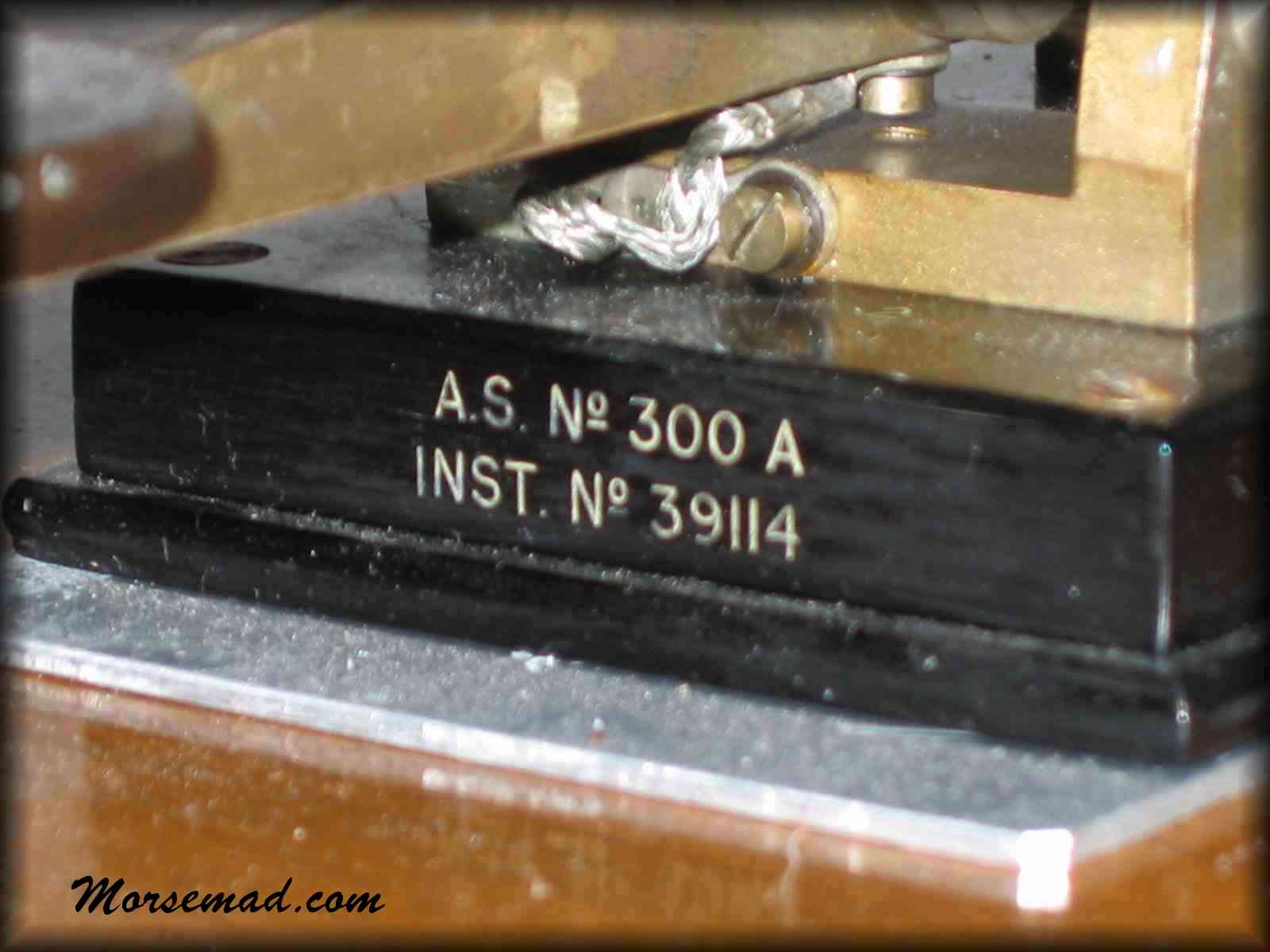
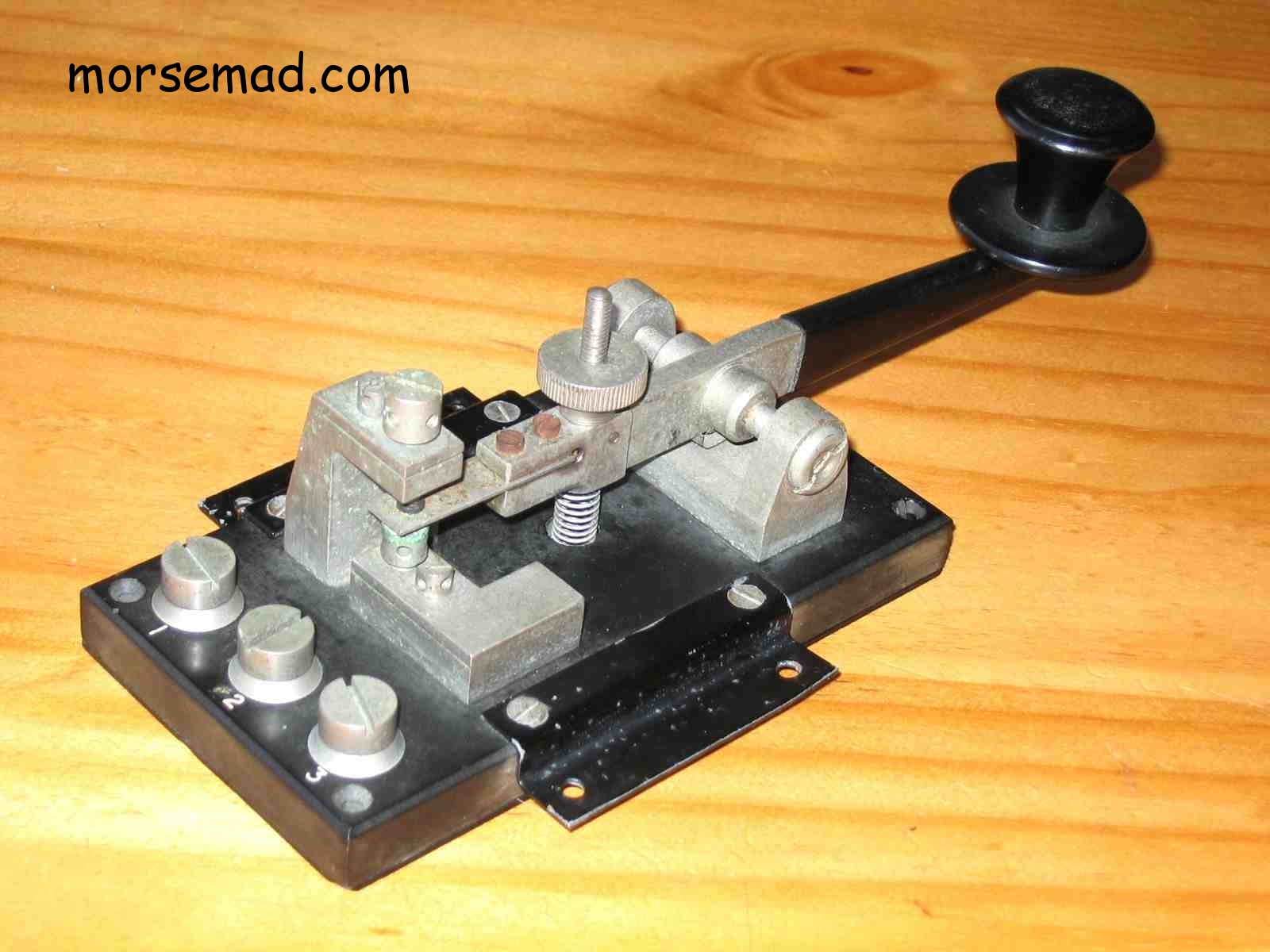
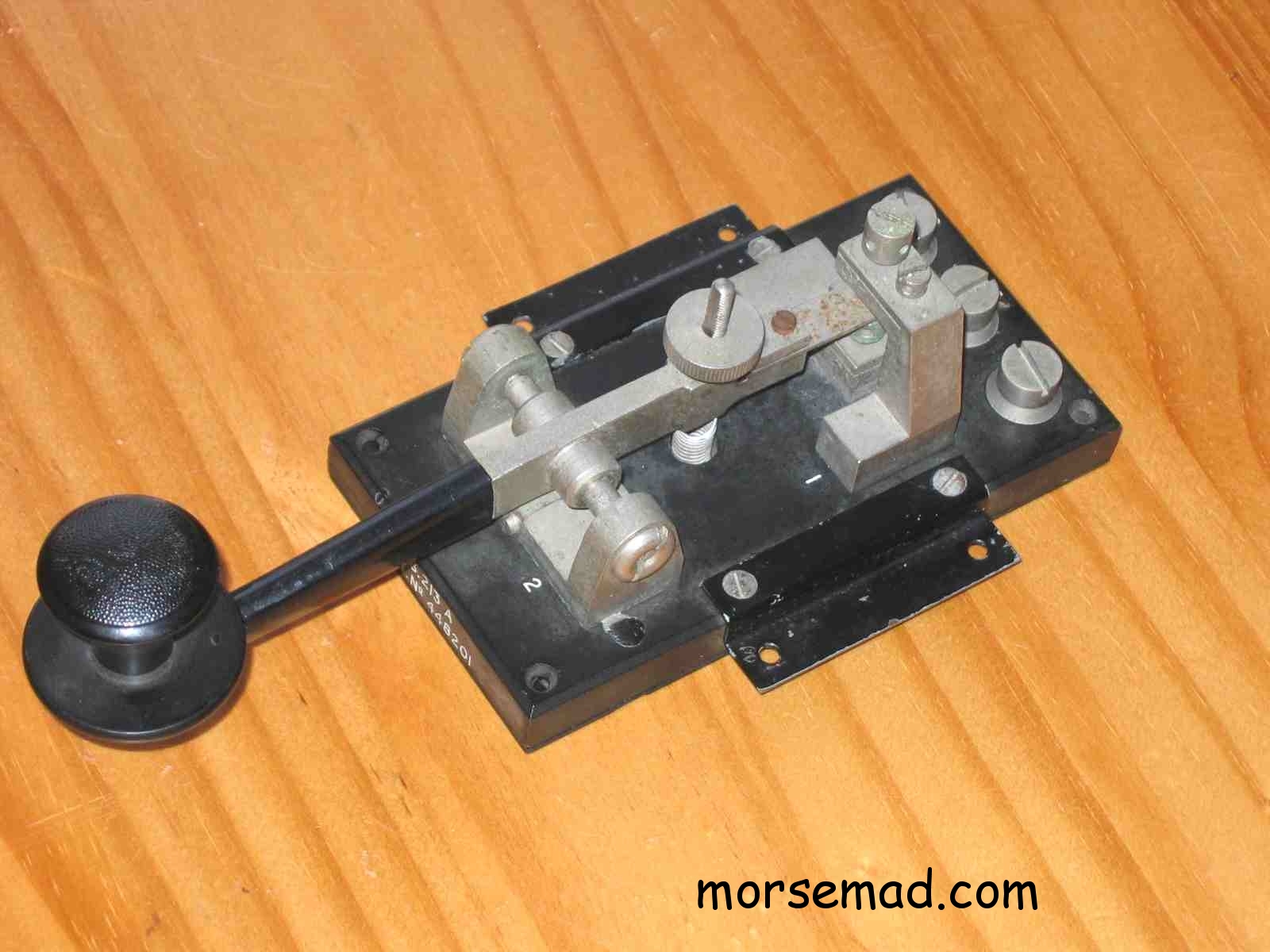
Featuring a Marconi AS No300A Lighthouse Key and the Marconi PS No213A Key.
 |
 |
The fascinating book
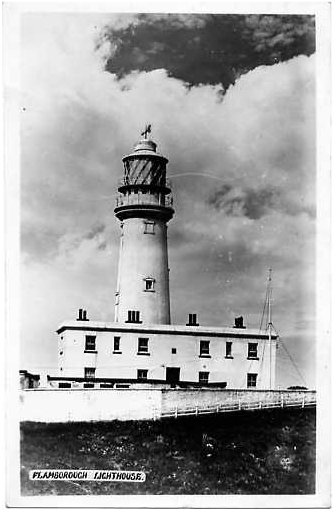 |
Dorchester Beam Radio Station (1927-1978) and the Marconi AS No300A morse key. Callsigns - GLH American Circuit. GLW South American circuit. George / G2DGB, ex employee at the Dorchester Beam Station, England tells me that the Marconi AS No300A model key was fitted on the control panel of the Marconi SWB1 / SWB10 Transmitters (SWB = Short Wave Beam) and used when tuning up the set after changing frequency (the sets were actually keyed by London Control). The "Z" code was used for orders in morse code - eg. ZAL = Alter Length (wavelength), ZTI = Transmitter Interuption, ZSU = Sigs Unreadable etc..
 |
 |
See one of these marvelous keys operated by Jim Garrison / N4EES (ex K5MSY).
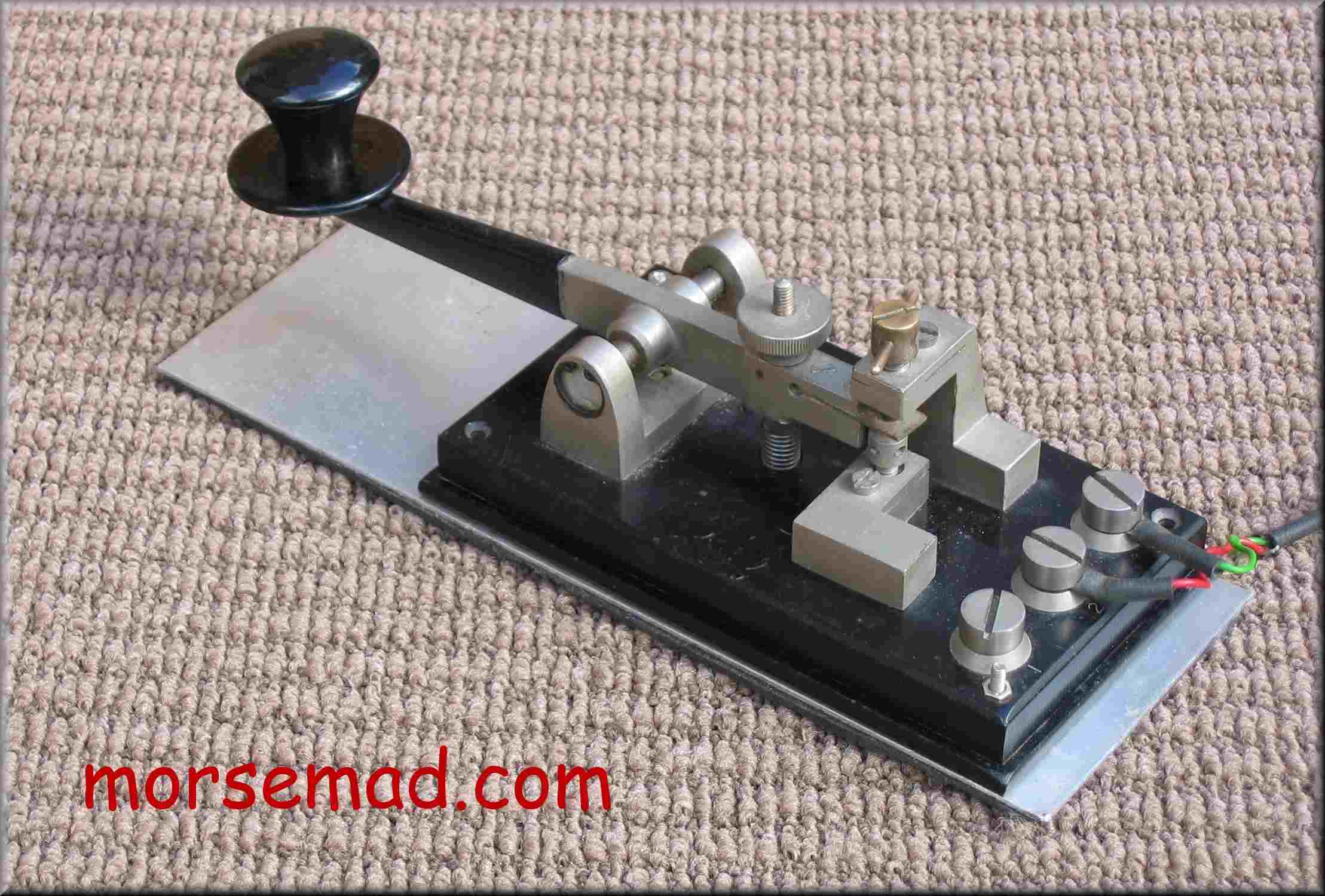
In the 1980's another batch of these type keys were manufactured in the GPO workshops, Rugby, England. They feature knurled head terminal nuts and nicknamed the Rugby Key, about 90 of these keys were made.
A Marconi Key Used At Portishead Radio GKA.
 |
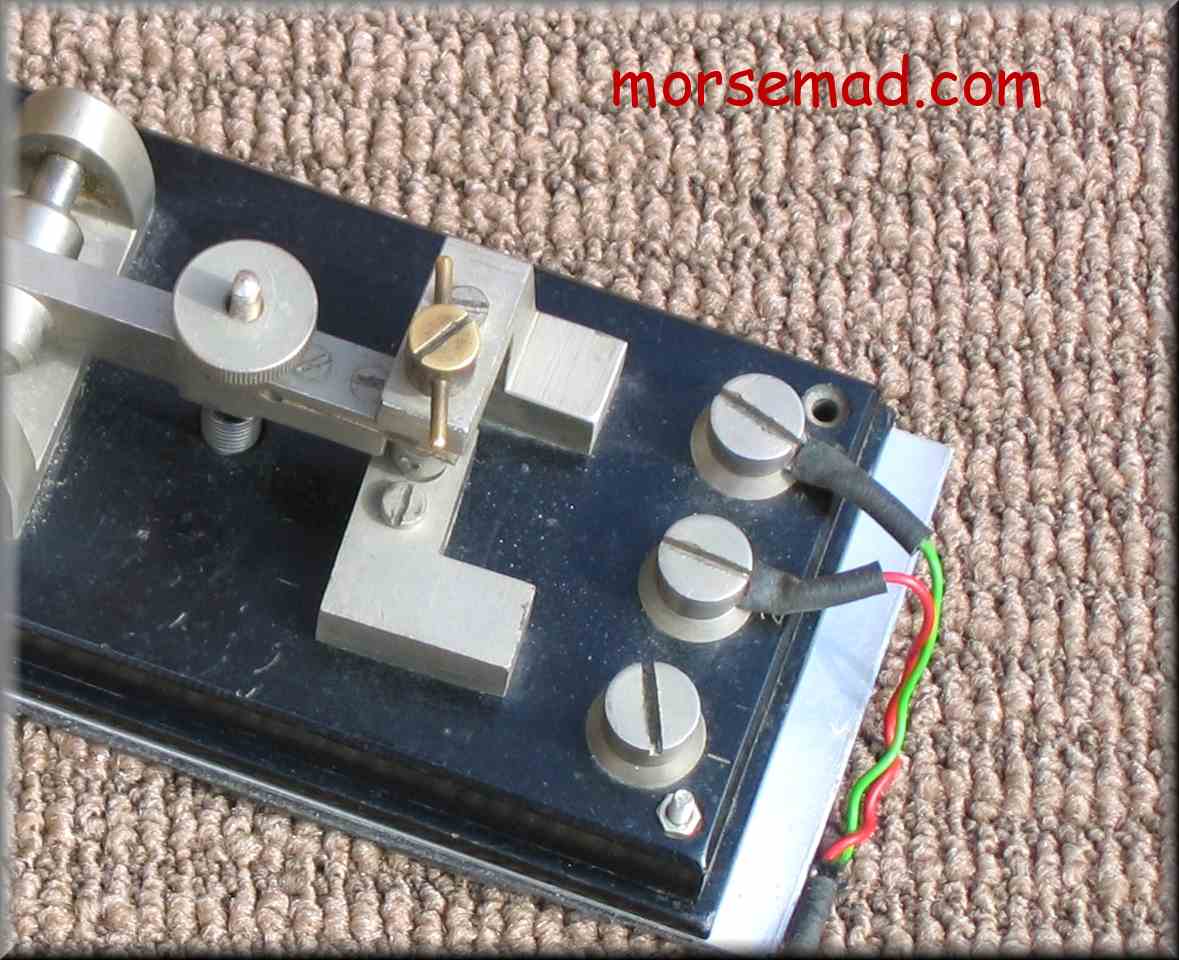 |
PORTISHEAD RADIO-GKA. THE WORLD'S PREMIER MARITIME RADIO COAST STATION.
youtube video of Portishead Radio. GKA.
I have a mine of invaluable information given to me by previous custodian of this key - R/O Dave Dawson / G0ELJ. One interesting letter is from Phil Lewis (Operations Manager GKA until 1995) where he states "The key is one of the old morse keys used in A & C wings of Portishead Radio and installed in 1946. In approx 1950 the tongue of these keys (the springy strip with contact) was shortened and the rear frame turned around, this was done because the tongues were bending. These keys were taken out of service around 1983 and sold off to the staff".
Ron Ayling G3YUH has made a wonderful replica of one of these keys.
A Marconi PS 213A Used At Portpatrick Radio GPK Complete With Very Rare Cover.
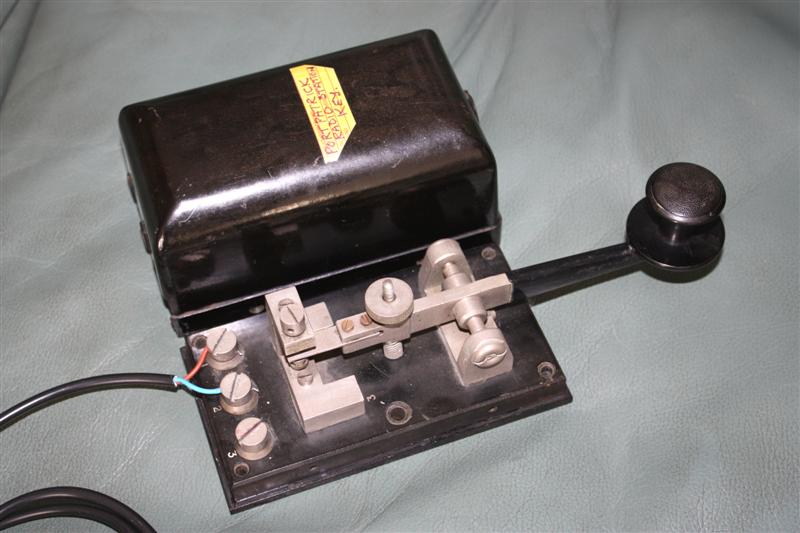 |
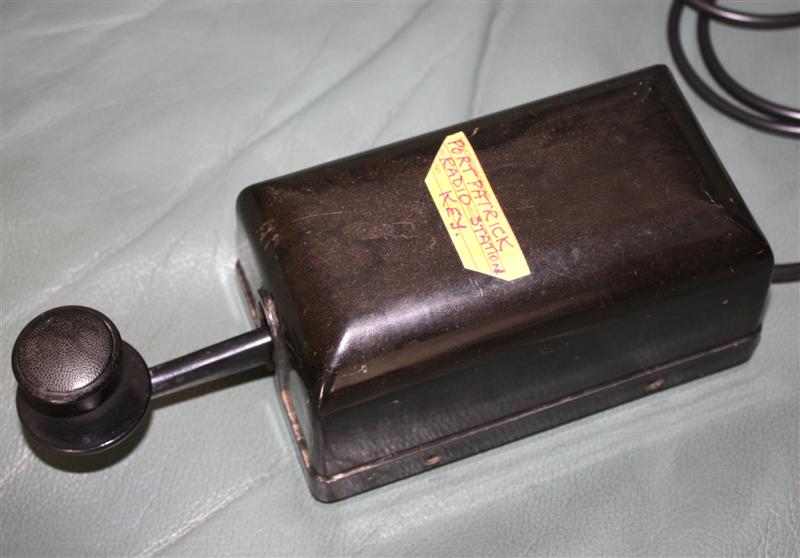 |
CW transmissions from Portpatrick ceased on 31st Dec 1997. The final CW transmissions from GPK were broadcast by Graham Mercer [GM4BES], with the ‘final-final’ being between Graham at GPK and David Nancarrow [G3RID] at GLD (Lands End Radio)!
This is only the second PS 213A key that I have ever seen with the cover. Made of bakelite and held in place with two screws each side of the drilled and tapped base, I assume this was a probably costly optional extra.
CLOSURE OF THE 500kHz MORSE TELEGRAPHY SERVICE.
Interesting to note - a few of these keys have no ID or serial number stamped on the base. Possibly early (pre 1920) Marconi pump keys, with typical Marconi flat topped trunnion block. More info needed please.
1920’s – Marconi AS No300A keys supplied to Trinity House lighthouses & Marconi Beam Radio Stations.
1926 + Marconi PS No213A keys made for coast stations around the UK and Worldwide, with slotted head bearing retaining screws and three cheese head 2BA terminal screws.
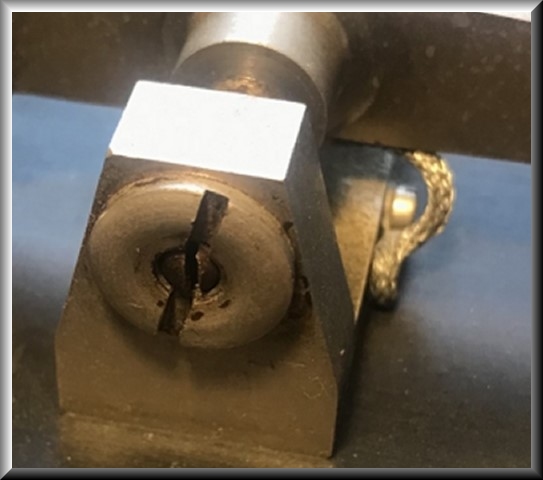
1946 – Marconi PS No213A keys introduced with Circlip bearing retainers.
1950 – Portishead GKA Radio modified their keys, shortening the contact strip and turning pillars 180 deg. Nicknamed the “Portishead Mod”.
1983 – Replacements made in GPO workshops Rugby, England, easily identified by their 3 smaller knurled head terminal nuts, rather than the large 2BA cheese head terminals of the earlier keys, these nicknamed the Rugby key.
The older keys were taken out of service and sold to members of staff.
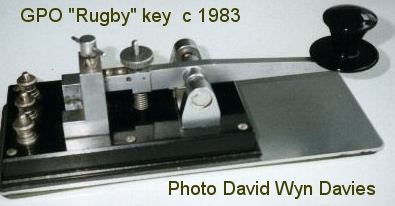
Note the three small terminals, the "Portishead" style shortened contact strip etc., and six base mounting screws rather than the four of the Marconi keys.
Believed to be an early 1920s Marconi pump key. There was mention of a P.S.No212A in the Bodlean Library Oxford. Perhaps this is a P.S. No212A. If you have one of these keys with no model or Serial number, and the flat top trunnions, please let me know !